
The Italian Region an Hour from Rome That Almost Nobody Visits
Travel to Rome and miss Sabina, she says. We asked Valentina for her thoughts on the region.
An hour north of Rome, the Sabina is a region of silvery olive groves and ancient hilltop villages that almost no international visitor reaches. Start at Fara Sabina (35 km from Rome by train or car) and the ancient bakery in town, visit the thousand-year-old Romanesque Farfa Abbey in the hills above, eat dinner at Eco Fattorie Sabine for genuine farm-to-table, and come in autumn for the new olive oil pressing. Pasta alla sabinese and Sabina cheese are non-negotiable.
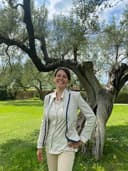
Valentina
Experience Designer & Luxury Travel ConsultantBorn in Rome to an Italian father and a Polish mother, I grew up speaking six languages and moving between worlds, a foundation that shaped my understanding of culture, nuance, and the art of truly belonging somewhere.My career began in human rights,
Most people who visit Rome do not know that an hour north of the city, past the edges of the capital's sprawl, the landscape changes completely. The motorway gives way to rolling hills covered in ancient olive groves, the traffic thins, and the villages that appear on the hillsides look as if they have not been touched in centuries.
This is the Sabina, and in Valentina's experience it is one of the most visited regions in Italy that nobody has actually visited. "Travel to Rome and miss Sabina," she says, describing the mistake she sees most often. "It is only one hour away and it is a hidden gem for true lovers of nature, delicious food, slow tourism, relaxation, peace, joy and culture." Valentina describes the Sabina as a timeless, rolling land of silvery olive groves and ancient hilltop villages, where small communities still live with the rhythms of the land.
Valentina lives in Toffia and advises travellers through The Voyage Co.
Where to start in the Sabina, and what to see
The place to start is Fara Sabina, the main town of the region, around 35 kilometres north of Rome and easily reachable by train or car. Valentina's first stop there is the ancient bakery, which she describes as a pillar of village life and a place that produces bread and traditional baked goods at a standard that reflects how seriously the Sabina takes what it eats. Stop there in the morning, buy bread, and begin the day properly.
From Fara Sabina, the most important visit is to Farfa Abbey: a Romanesque monastery founded more than a thousand years ago, set in the hills above the town, and famous enough to have been visited by Charlemagne, yet unknown enough that most international visitors have never heard of it. The architecture is extraordinary and the atmosphere is quiet in the way that old sacred spaces are quiet when they have not been turned into tourist attractions. The surrounding landscape, those same silver-green olive groves that define the character of the whole region, is visible from the abbey walls in a way that makes the connection between place and history very immediate.
For dinner, Valentina recommends Eco Fattorie Sabine, a cheese factory in the hills that has won awards for its production and offers a genuine farm-to-table experience in the proper sense: the food comes from the land you can see from the window. The Sabina is olive oil country and it is cheese country, and the production of both operates at a level that the region's relative obscurity does not prepare you for.
Valentina talks about the Sabina as a place for slow tourism, and the phrasing is well chosen. This is not a destination for covering ground quickly. The villages in the area, Toffia among them, are the kind of places where the pace adjusts as soon as you arrive, where the cafe has been there longer than anyone can clearly remember and the people inside know each other well enough that you feel the warmth of that without being excluded from it. If you have spent a few days in Rome and felt the particular tiredness that the city's scale and intensity can produce, the Sabina is the obvious recovery. One hour away, and it feels like a different world.
When to visit the Sabina, and what to eat when you get there
Valentina does not have a single season recommendation, because she genuinely means it when she says all four work. Autumn is the most important for anyone with an interest in food: the olive harvest typically runs from October into November, and the pressing of the new oil is an agricultural ritual the Sabina takes seriously. Eating fresh-pressed olive oil on Sabina bread, made the same morning, is one of those experiences that is very specific to a time and a place and that stays with you afterwards.
Spring is the best season for hiking: the hills are green, wildflowers are out across the meadows, and the farm-to-table restaurants are cooking with whatever the season has just produced. Summer brings food festivals across the villages. Winter, if you venture further into the hills towards Terminillo, brings snow and an entirely different face of the landscape.
On food, Valentina returns to two things without hesitation: the Sabina's cheese, which she recommends buying directly from a producer, and pasta alla sabinese, the region's own pasta preparation using ingredients that reflect the Sabina's agricultural character. Both are non-negotiable. The logic is straightforward: if you have driven an hour from Rome to find the real Lazio, eat the real Lazio food while you are there.
Sabina travel FAQ
Explore more Lazio insights and Rome insights to plan your next trip with locals.


