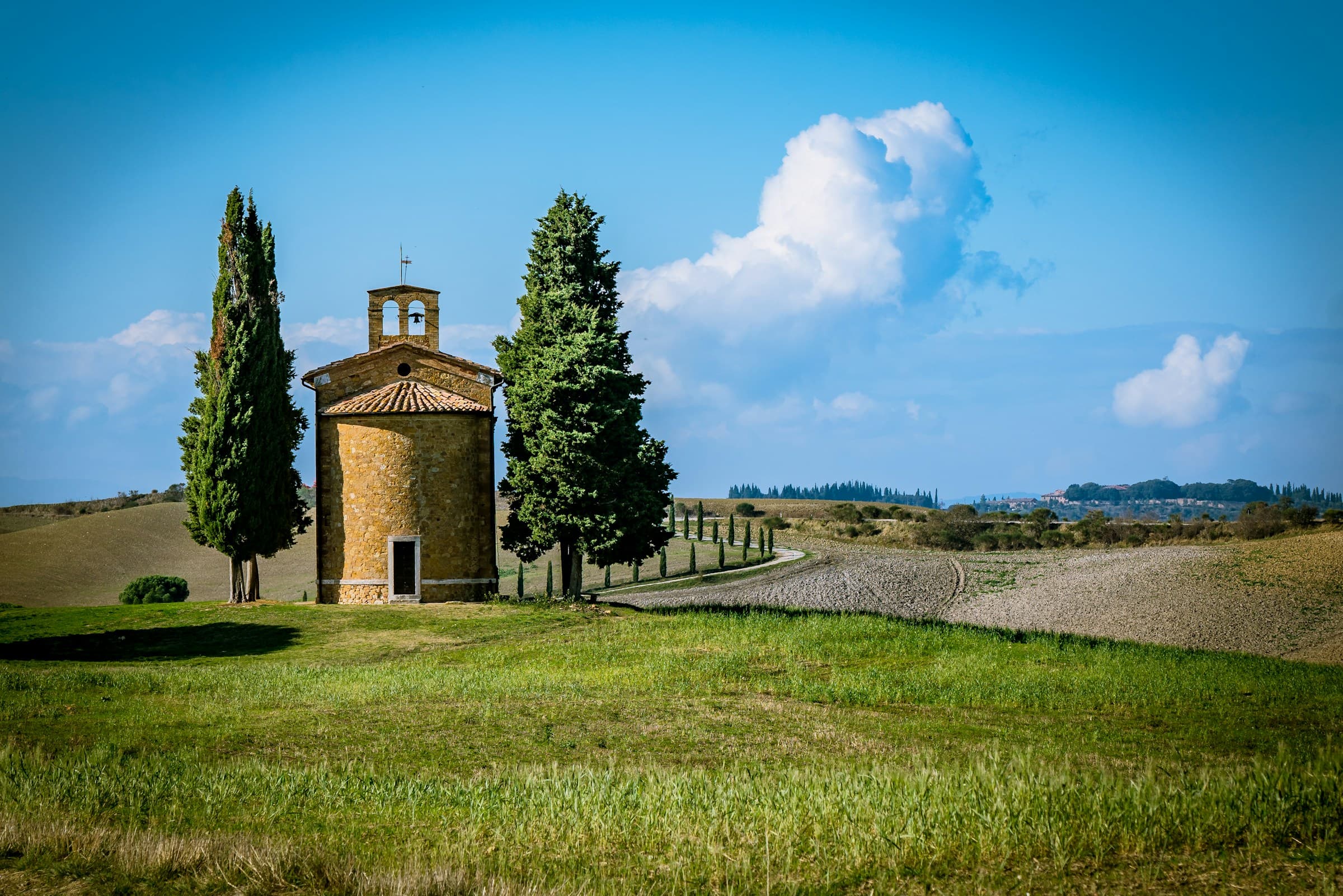
San Niccolò: The Florence Neighbourhood Below the Panoramic View That Nobody Goes Down to Find
TheVoyageCo asked Dina for her local insights for Florence. This is what she said.
San Niccolò is the Florence neighbourhood most visitors miss. It sits at the foot of Piazzale Michelangelo, the famous panoramic viewpoint, but almost nobody walks down into the streets below the terrace. Dina sends friends there: artisan workshops, small wine bars, and a relaxed pace that the historic centre lost long ago. Pair it with the wider Oltrarno, choose either the Uffizi or the Accademia (not both), and visit in April to June or September to October.
Dina
Ciao a tutti! I am your local guide and travel designer right here in Florence! and there is nothing that I love more than hunting for those hidden gems off the beaten path. When I travel I plan for unforgettable spots, happy experiences and food that leaves a lasting memory. Pick me as your travel
Florence is one of the world's most visited cities and one of its most rushed. Visitors arrive with a checklist and many leave having worked through it without ever feeling as though they actually arrived. Dina, who lives and works in Florence, has watched this pattern repeat for years. Her advice is consistent: slow down, do fewer things, go deeper. We asked her where that leads.
Dina lives in Florence and advises travellers through The Voyage Co.
A Sense of Florence
Dina does not describe Florence hesitantly. The city has earned its reputation, in her view. The question is not whether it delivers, but whether visitors give it the conditions to do so.
Q. How would you describe Florence to a friend, in one sentence?
Florence is a place where Renaissance art, rich history, and incredible food come together in a way that feels both timeless and deeply alive.
Q. What do you want people to understand about the city before they arrive?
That it works at a slower pace than the itinerary they probably have in mind. The historic centre is small, but each part of it asks for time. A church here is not just a church, it is centuries of layered art. A square is not just a square, it is a stage that the city still uses. If you treat each stop as a quick photograph, you have not really been to Florence.
Q. And what do the travellers who leave loving Florence tend to do differently?
They stop. They sit. They drink an espresso standing at a bar in the morning and watch the city wake up. They spend an evening on the south side of the river without a reservation. They walk back to the hotel slowly. The city rewards that kind of attention and quietly refuses to deliver to anyone moving too fast.
Florence has earned its reputation. The question is not whether the city delivers, but whether visitors give it the conditions to do so.
Where do locals actually send their friends in Florence?
We asked Dina about the neighbourhood she sends friends to, and about the famous square she thinks travellers misuse.
Q. What's one place travellers often miss, but absolutely shouldn't?
San Niccolò. It sits at the foot of Piazzale Michelangelo, which most travellers visit for the panoramic view over the city and then leave without ever venturing into the neighbourhood below the terrace. It is one of the last places in Florence where you can still feel the local spirit: artisan workshops, small wine bars, a relaxed atmosphere far from the crowds.
Q. Where does San Niccolò fit in the city?
It sits within the Oltrarno district, the neighbourhood south of the Arno river that has historically been the working and artisan quarter of Florence, and which remains its most authentic. San Niccolò is the eastern part of that district, smaller and quieter than the Santo Spirito side, and most coach itineraries skip it entirely.
Q. And what would you call overrated?
Piazza del Duomo. It is absolutely iconic, but often so crowded and chaotic that it is hard to truly enjoy its beauty or understand its history. I am not suggesting you skip it. The cathedral, the Baptistery, and Giotto's campanile are genuine masterpieces. My point is that the experience of standing in that piazza in peak season rarely matches the weight of what is actually there.
Q. So how would you handle Piazza del Duomo, practically?
Go early. Eight in the morning if you can. Walk the perimeter, look up properly, climb the cupola if you have booked it, and then leave before the square fills up. By ten o'clock the rhythm changes completely. You can return at sunset, which is a different kind of beautiful, but the morning is when you actually see it.
How to Spend 48 Hours in Florence
Dina's framework is built around restraint. Quality over quantity, two slow days, one evening in the Oltrarno.
Q. If someone only had 48 hours in your city, what would you tell them to prioritise?
Focus on quality over quantity. Explore the historic centre properly (the Duomo area, Piazza della Signoria, Ponte Vecchio), then choose either the Accademia or the Uffizi, not both in a rush. Leave the rest of the time to wander without a fixed plan, eat well, and spend at least one evening in the Oltrarno or San Niccolò.
Q. What does day one look like in this framework?
Start in the centre. Duomo at eight, Piazza della Signoria mid-morning, Ponte Vecchio before lunch. Eat somewhere small and unbooked, then dedicate the afternoon to one museum. The Uffizi if you want the larger sweep of Renaissance painting, the Accademia if you want to spend real time with Michelangelo's David. Pick one and give it three hours. Do not do both in a single day. Aperitivo in the late afternoon, then dinner without a fixed agenda.
Q. And day two?
I would send you across the river. Walk slowly through the Oltrarno in the morning, stop at one of the artisan workshops, have lunch in San Niccolò. Climb up to Piazzale Michelangelo before sunset for the view, then come back down into the neighbourhood for dinner. You will spend the second day at a completely different pace from the first, and that contrast is the part of Florence most people never get.
Q. The mistake you see most often?
Trying to do too much in too little time. Travellers arrive in Florence with itineraries that would require three days to do properly, compress them into one, and leave feeling as though they rushed through something without quite grasping what it was. The city rewards patience. It does not reward a packed schedule.
When to Come to Florence
The shoulder months are her answer, and the light is the reason.
Q. What's the best time of year to visit Florence?
Spring, specifically April to June, and early autumn, September to October. The weather is pleasant and the light is good for walking around the city. Both periods sit outside the peak summer months when the heat and the crowds make the historic centre harder to enjoy.
Q. What changes about the city in those months?
Florence in April or late September is a noticeably different city from Florence in August. The queues are shorter, the restaurants are full of regulars as well as visitors, and you can walk across the Ponte Vecchio at a normal pace. The light in spring is sharp and the light in autumn is warm. Both are easier to photograph and easier to live in for a few days.
Q. And the months you would steer travellers away from?
July and August. The heat is heavy, the crowds are at their worst, and many of the smaller neighbourhood restaurants close for parts of August because the families that run them are on holiday themselves. If you can only come in summer, come at the very start or very end of the season. Otherwise wait for spring or autumn. The trip is a different experience.
What to Eat and Drink in Florence
Florence has no shortage of good food. Dina's list is short, because she wants you to do two things properly rather than twenty things in passing.
Q. What's a local food every visitor must try?
Bistecca alla Fiorentina. A classic Florentine T-bone steak, thick-cut and simply grilled. It is all about the quality of the meat and the perfect cooking. In a city with no shortage of good food, the bistecca remains the dish that most clearly belongs to Florence.
Q. How should travellers order it?
Find a traditional trattoria, ideally one that has been serving it for decades, and order it properly. Properly in Florence means rare. The cut is thick. If you cook it through, you have changed it into a different dish. Ask the waiter what they recommend, share between two people if it is your first time, and pair it with a bottle of Chianti Classico from somewhere outside the famous labels.
Q. What about lunch? The everyday food?
Schiacciata sandwiches from a small bakery, eaten standing up. Coccoli with prosciutto and stracchino. Crostini with chicken liver, the Tuscan version, served before a long lunch in a trattoria. Lampredotto from a street stall if you are brave, which is the Florentine sandwich of slow-cooked tripe and one of the city's quietly serious foods. None of it is fancy. All of it is the city.
Q. And where should travellers eat?
Not on the streets directly around the Duomo or the Ponte Vecchio. Walk five minutes into the Oltrarno, or up into San Frediano, or down into San Niccolò, and the prices come down and the quality goes up. The places that the locals trust are almost never on the main tourist streets. They are one or two corners off them.
Dina's Florence is not the one in the morning coach itinerary. It is the slower one, the one that opens up if you give the city more than two days, and that quietly closes itself to anyone in a hurry. Choose one museum. Eat where the families eat. Cross the river. Find San Niccolò. The version of Florence most visitors remember is the version they made by slowing down.

Florence travel FAQ
Explore more Florence-specific insights to plan your next trip with locals.