Oltrarno Is Florence Without the Rush. Most Visitors Never Cross the Arno to Find It.
TheVoyageCo asked Ana Luisa for her local insights for Florence. This is what she said.
The Oltrarno is Florence on the south side of the Arno, where the city still feels like a place where people actually live: quieter streets, smaller shops, restaurants run for regulars. Ana Luisa sends every visiting friend there, pairs the city with at least one day in the Val d'Orcia, and recommends February, March, and October to December for the calmest, most local-feeling version of Florence.

ANA
I moved from Mexico to Florence 30 years ago. The culture, history, cuisine, and lifestyle is what has kept me here! I love strolling the streets of my neighbourhood (Oltrarno), where Galileo was born, where the Mona Lisa lived, and where people love to live slowly! I love traveling, meeting new peo
When we asked Ana Luisa how she would describe Florence to a friend, her answer was immediate: enjoy life slowly. She has lived in Florence long enough to know that the visitors who leave loving it most are not the ones who saw the most. They are the ones who stopped. We asked her where she would actually send someone.
Ana Luisa lives in Florence and advises travellers through The Voyage Co.
A Sense of Florence
Ana Luisa does not begin with a museum, a square, or a bridge. She begins with a pace.
Q. How would you describe Florence to a friend, in one sentence?
Enjoy life slowly. That is the city. Everything else (the art, the food, the buildings) opens up only when you give the city the time to show them to you.
Q. What do you wish travellers understood about the city before they arrive?
That it does not run on a timetable that suits visitors. The shops still close in the afternoon in many parts of the centre. The good restaurants do not always answer the phone before 7pm. Lunch is not a snack between sights, it is a meal. If you arrive expecting a city that is open for you on your schedule, you will be frustrated. If you adjust to the city's schedule, you fall into it.
Q. And what tends to happen with the travellers who do that?
They stay longer than they planned next time. They come back. They tell their friends to spend a week, not a weekend. The travellers who leave Florence loving it most are not the ones who saw the most, they are the ones who stopped.
Enjoy life slowly. That is the city. Everything else opens up only when you give Florence the time to show it to you.
Where do locals actually send their friends in Florence?
Ana Luisa's answer is one neighbourhood, and a refusal to call any famous sight overrated.
Q. What's one place travellers often miss, but absolutely shouldn't?
The Oltrarno. The neighbourhood south of the Arno river is the one locals consistently point to when asked where the city is still itself. It sits across the river from the historic centre and carries a different pace: quieter streets, smaller shops, restaurants that exist for people who live nearby rather than for people passing through.
Q. What does the Oltrarno give a visitor that the centre cannot?
It answers what Florence actually feels like to live in. The historic centre is the museum version of the city. The Oltrarno is where you find the workshops still operating, the wine bars where regulars come in and sit at the same table they always sit at, the trattorias where the menu is short because the chef cooks what is good that day. You can spend a whole evening there without spending much, and you will leave understanding more about Florence than another museum visit would teach you.
Q. And what would you call overrated?
In Florence, nothing is overrated. The cathedral, Ponte Vecchio, the museums, the smaller churches with the frescoes most people have never heard of. The great sights have earned every visitor they receive. My advice is not to skip anything, but to approach each thing more slowly than most people do.
Q. What does that look like in practice?
Visit the Duomo early in the morning before the crowd builds. Cross the Ponte Vecchio at dawn, when it is still empty. Pick one museum and spend three hours in it, not one hour in each of three. Sit in a square for half an hour and watch the light change on the facade. None of this is hidden, none of it is secret, but most travellers do not give themselves permission to slow down enough to notice it.
Beyond the City: The Valley Worth the Drive
Ana Luisa thinks visiting Florence without a day in the wider region is a missed opportunity. Her answer is one valley.
Q. If you had 48 hours in the wider region, where would you go?
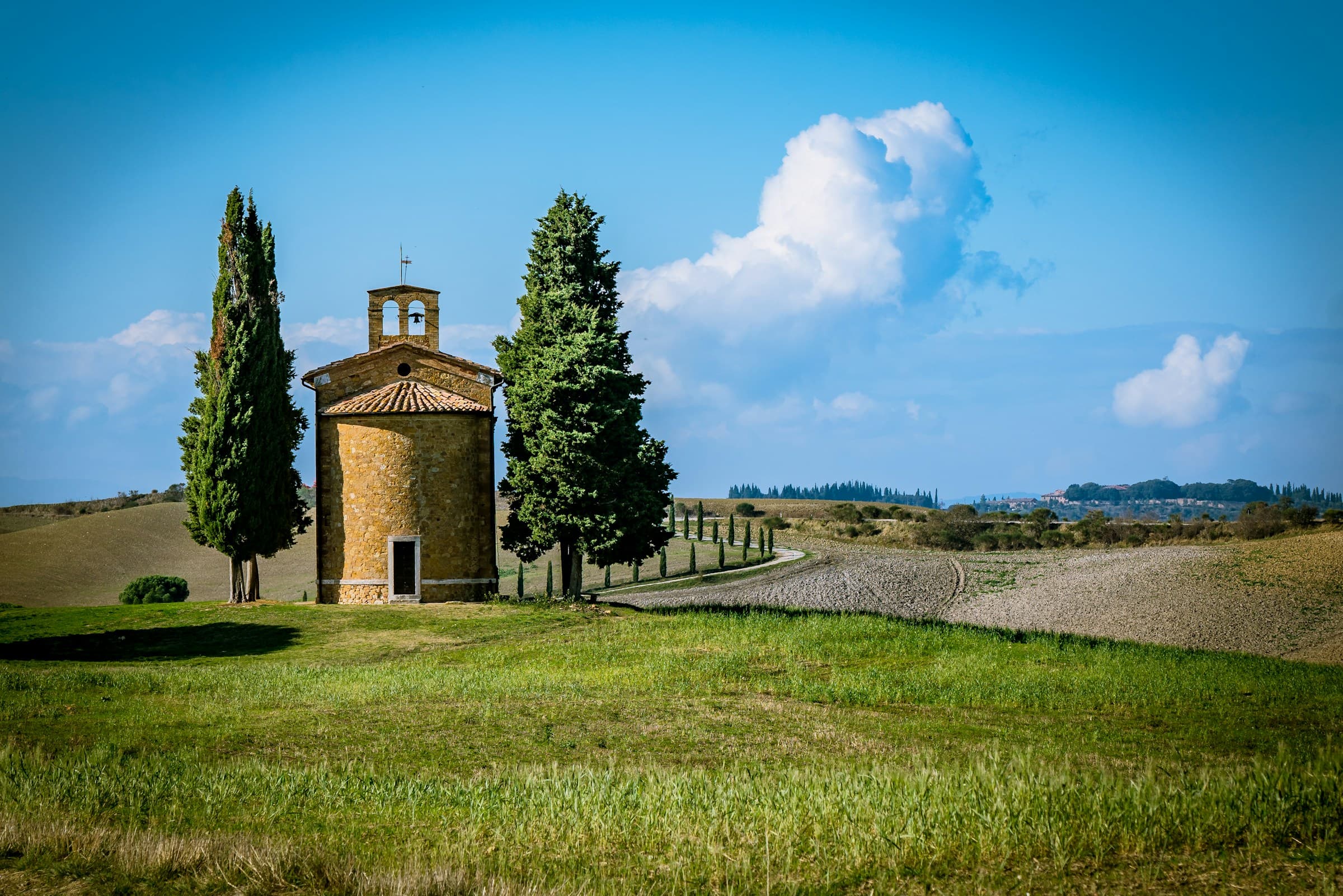
Val d'Orcia. The famous Tuscan valley, with its cypress-lined roads and rolling hills, sits roughly two hours south of Florence and represents something that the city itself cannot offer: space, silence, and the open landscape that has defined the idea of Tuscany for centuries.
Q. What do you actually do down there?
Drive slowly. Stop in the small towns: Pienza, Montalcino, San Quirico d'Orcia. Have lunch in a place that opens onto the valley. Walk one cypress-lined road in the late afternoon light. Stay overnight if you can, because the valley at sunset and at sunrise is the thing most visitors never see. The day trip works, but the overnight is what people remember.
Q. And why is this so important to pair with Florence?
Because Florence and the Val d'Orcia are two halves of the same answer to what Tuscany is. The city is the man-made version. The valley is the landscape version. Visiting the Florence region without at least one day in the surrounding countryside is, in my view, a missed opportunity. You will leave thinking you have been to Tuscany. You will have been to a city.
When to Come to Florence
Ana Luisa's months are not the conventional ones. The reasoning is the city's rhythm.
Q. What's the best time of year to visit Florence?
February, March, and October through December. These are the quieter months. The summer heat and the summer crowds both ease, and the city returns to something closer to its own rhythm.
Q. February in Florence is not a conventional suggestion. Why does it work?
It is a time when the city feels genuinely accessible in a way it does not in July or August. The light is sharp, the cafés are full of locals, the museums are quiet enough that you can stand in front of a painting without anyone behind you. You need a coat. The trade is worth it. February in Florence is a different city from Florence in August, and many of the people who fall hardest for the city do so in winter.
Q. And the months you would steer travellers away from?
July and August. The heat is heavy and the crowds are at their peak. Many of the smaller neighbourhood restaurants close in parts of August. If you can only come in summer, come at the very start of June or the end of September. The trip is a different experience.
What to Eat and Drink in Florence
Ana Luisa points to a small dish that does not make the international food guides. Locals order it without thinking.
Q. What's a local food every visitor must try?
Coccoli. Fried dough balls, typically served with prosciutto and stracchino cheese. They are a staple of Florentine aperitivo culture and the kind of thing that does not appear in the international food guides because they are too modest to advertise. Locals order them without thinking.
Q. Where should travellers actually order them?
Any traditional trattoria or wine bar in the Oltrarno will serve them as a starter or aperitivo plate. They are not a tourist dish, so they come the way they should. The dough is fried fresh, served warm, and you wrap each one in a slice of prosciutto with a bit of stracchino. It is meant to be eaten with your hands.
Q. And to drink?
A glass of Chianti Classico from one of the smaller producers, served cool but not cold. If you are eating coccoli, that is the natural pairing. For lunch, the local choice is often a small carafe of the house wine, which in a good trattoria is much better than the price suggests. Drink the wine the restaurant lives by.
Ana Luisa's Florence is not a list. It is a pace, a neighbourhood, and a day in the valley. Cross the river. Stop walking for an hour. Order coccoli without asking what they are. Come in February, or October, or any month that nobody else has chosen. The city that the rushed visitor sees is not the one she lives in. The one she lives in is the one that quietly arrives, if you let it.

Florence travel FAQ
Explore more Florence-specific insights to plan your next trip with locals.