What Romans Wish Tourists Knew Before Visiting
We asked Eleonora for her honest advice on Rome. This is what she said.
Book Galleria Borghese weeks before you arrive in Rome, before you book anything else, then plan the rest of the trip around it. Skip the queue at the Trevi Fountain unless you go very early. Pick three or four sights and give each the time it deserves, the smaller neighbourhood churches are often as remarkable as the famous ones. Visit in April or September, and eat real Carbonara and Amatriciana at a proper trattoria, not a place with photographs on the menu.

Eleonora
Hi - I’m Eleonora! I live in Rome, but as soon as I can I’ll escape and travel somewhere else. My purpose is to travel all around the world and make a step in every continent.
Rome has more churches, museums and ancient monuments than any city of its size, and most visitors try to see too many of them in too little time. Eleonora, who lives in Rome, has a short list of things she would tell every arriving visitor. It starts with a booking most people forget to make until it is too late.
Eleonora lives in Rome and advises travellers through The Voyage Co.
What's the unmissable booking in Rome (and what's overrated)?
Q. What's one place in Rome that tourists often miss but really shouldn't?
Galleria Borghese, and I cannot stress the booking enough. It is a short taxi ride from the centre, set inside the Villa Borghese gardens, and it contains one of the finest collections of Baroque sculpture and Renaissance painting in the world: Bernini's Apollo and Daphne, his Rape of Proserpina, Raphael's Deposition. The building itself is beautiful. But visits are strictly timed, limited to two hours, and the tickets book out weeks or months in advance. Most visitors only think to book once they have arrived, by which point it is too late. Book it before anything else. Then plan the rest of the trip around it.
Q. And what's one famous place in Rome that's overrated?
The Trevi Fountain. The sculpture is genuinely magnificent and it would be a wonderful thing to see in quiet contemplation. It is very rarely seen in quiet contemplation. On any given day there are hundreds of people packed around it, all holding up phones. Go very early in the morning before the crowds arrive, or accept it for what it has become, toss your coin, and redirect your attention to things that are less famous and more rewarding.
Making the most of your time in Rome
Q. If someone only had 48 hours in Rome, what would you tell them to prioritise?
Churches and museums, with the honest acknowledgement that you will not see enough of either. Rome has more of both than any city of its size anywhere in the world, and the most common mistake is underestimating how much time each one deserves. The Vatican Museums and the Colosseum each need a half-day if you want to do them properly. Galleria Borghese, if you have booked in time, fills two hours and will leave you wanting more.
My broader advice is to slow down and give each thing time. The smaller neighbourhood churches in Rome, the ones you walk past without a second glance, often contain extraordinary art that is free to visit and empty of crowds. In Rome, the secondary sights are frequently as remarkable as the primary ones.
Q. What's the biggest mistake you see visitors make in Rome?
Undervaluing the time they have. People arrive with a list of ten things to do in two days, spend the whole visit in transit between them, and leave without having properly experienced any of them. Rome rewards depth over breadth. Three or four things, given the time they deserve, with space left for what you did not plan, is consistently the right approach. The unplanned part, in Rome, tends to be extraordinary.
When to come to Rome, and what to eat
Q. What's the best time of year to visit Rome?
April and September. Both offer the same logic from opposite sides of summer: warm enough for long evenings outside, light enough to walk for hours without suffering, and notably more manageable in terms of crowds than July and August. April brings the city into spring, September returns it to something close to its own rhythm after the August exodus.
Q. What local food should every visitor try?
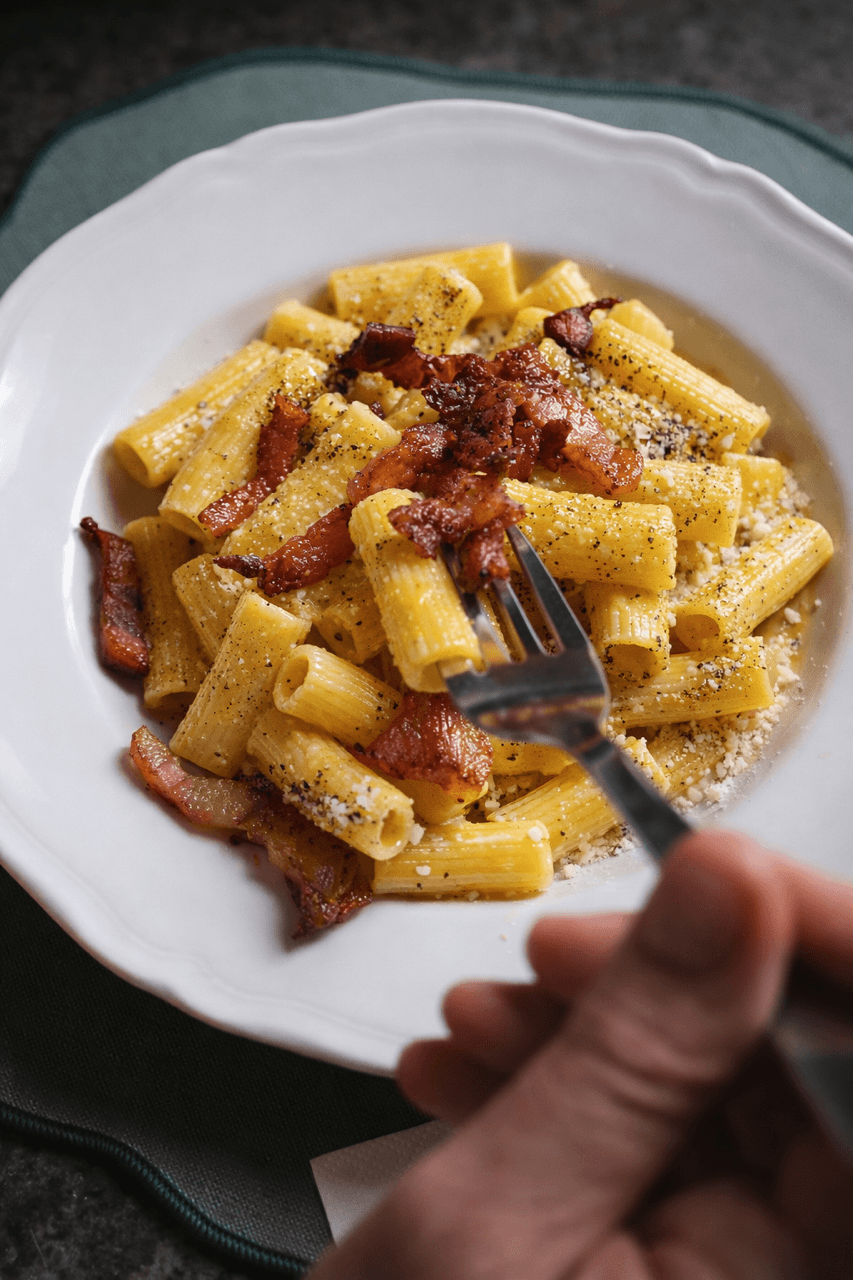
Carbonara and Amatriciana. Both exist in recognisable form everywhere in the world and then, in Rome, turn out to be something quite different. Real carbonara has no cream: just eggs, Pecorino Romano, cured pork cheek (guanciale), and black pepper. Real Amatriciana is tomato sauce with guanciale and Pecorino, from the town of Amatrice in Lazio. Find both at a proper Roman trattoria, not a place with photographs on the menu, and eat them the way they were intended.
Rome doesn't reward speed. Book Galleria Borghese before anything else, pick three or four things and give them their time, accept the Trevi Fountain for what it has become, and eat the Carbonara where a Roman would. The city's reward is not in covering ground, it is in arriving slowly enough to see it.
Rome travel FAQ
Explore more Rome insights to plan your next trip with locals.